In a World Full of Bugs Be a Programmer: Embroidery Review
When I first opened the zip file for In a World Full of Bugs Be a Programmer, I immediately pictured a tote bag my sister carries to every software meetup. She is a developer who laughs at debugging memes and owns at least three shirts with semicolon jokes. This design felt like something she would actually stop someone to ask about. That is the kind of reaction I look for when evaluating whether a graphic will translate into a finished embroidery piece that people genuinely want to own.
The design leans into a clever, slightly nerdy wordplay that resonates with programmers, students, and anyone who appreciates tech humor. The phrase itself has a confident, almost defiant tone, which makes it perfect for statement pieces. As a reviewer who has tested hundreds of designs across different fabric types and project applications, I found myself mentally placing this on a long list of potential products before I even finished examining the files.
First Impressions and Visual Personality
The mood of In a World Full of Bugs Be a Programmer lands somewhere between playful and proud. It does not feel like a generic motivational quote. Instead, it carries personality that would appeal to a specific audience, which is exactly what small business owners and Etsy sellers need when building a cohesive product line. A design that tries to please everyone often ends up connecting with no one. This one knows its audience.
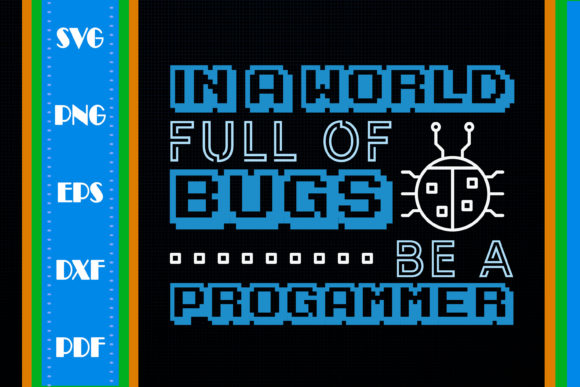
The typography and layout shape the overall impression significantly. The phrase is structured in a way that suggests bold lettering, likely with a mix of weights that create visual hierarchy. When I evaluate designs for embroidery, I pay close attention to how the words sit together. If the lettering is too condensed, satin stitches can overlap and create a muddy result. If it is too airy, the design loses impact on fabric. From what I can see in the included PNG preview, the composition holds together well, and the spacing feels intentional rather than cramped.
The theme naturally fits tech conferences, coding bootcamp merchandise, computer science graduation gifts, and casual apparel for software professionals. I could also see it working beautifully on desk accessories, pencil cases, and even framed hoop art for a home office. The versatility surprised me, and I started mentally cataloging which products would bring out the design's best qualities.
Real Project Testing: How It Performs on Different Products
I decided to run a mental test by planning a project around this design. My imaginary client was a small coding academy wanting custom sweatshirts for their graduating cohort. The design needed to feel professional enough for adults to wear, but playful enough to spark conversation. In a World Full of Bugs Be a Programmer checked both boxes immediately.
On a sweatshirt, the design would sit nicely across the chest or centered on the back. The horizontal emphasis of the phrase naturally suits apparel placements. I have learned through trial and error that text-heavy designs with long lines can look awkward on curved surfaces like caps or small baby onesies, but this one seems balanced enough to adapt. On a tote bag, it would be a standout. I imagined it stitched in a crisp white thread against a charcoal canvas, and the mental image was so clean that I genuinely considered making a sample for my own shop.
For smaller items like patches, the design would need careful scaling. If the lettering drops below a certain size, satin stitches can lose definition, especially on letters with enclosed counters like lowercase a, e, and o. I would want to test this on a scrap piece before committing to a full patch run. The same caution applies to baby items and infant clothing, where the design might need to be simplified or enlarged slightly to maintain readability after washing.
Pillow covers and tea towels present a different set of considerations. The fabric texture on a linen tea towel, for example, can interrupt fine stitch details. I would recommend a sturdy stabilizer and possibly a slightly adjusted stitch density to compensate. On smooth cotton pillow covers, the design would likely stitch out beautifully with minimal adjustments. The key is always testing, and I never skip that step, no matter how many times I have used a similar file.
Where the Design Shines and Where Caution Is Needed
Every embroidery design has sweet spots and tricky spots. The sweet spot for In a World Full of Bugs Be a Programmer is on medium-weight, stable fabrics with a smooth surface. Cotton canvas, twill, denim, and quality sweatshirt fleece all provide an excellent foundation. The design also works well on structured bags, aprons, and even quilt blocks if you are incorporating it into a larger textile project.
Where I would exercise caution includes highly textured fabrics like waffle weave, thick terry cloth, or loosely woven burlap. The lettering details could get lost in the texture, and the overall legibility would suffer. Stretchy fabrics like performance tees or ribbed knit also require extra attention. Without proper stabilizer and possibly a basting stitch, the design could distort during hooping or shift during stitching. I have ruined enough projects by rushing this step, so I always advise fellow makers to slow down and test on similar fabric first.
Dark fabrics present another consideration. If the design uses light thread colors, any misalignment or slight gap becomes more visible against a dark background. I recommend running a test stitch on black or navy fabric to check contrast and coverage before offering the product to customers. On the flip side, a light fabric with dark thread creates a crisp, high-contrast look that photographs beautifully for Etsy listings and social media.
Small hoop sizes can also be limiting. If the design is intended for a 4x4 hoop, the lettering must be scaled accordingly, and some phrases simply do not fit without truncation. I would advise measuring the actual stitch area before committing to a specific hoop size. The files included in the download are graphic formats, which means you will need to digitize them for embroidery, giving you control over sizing and stitch settings. That flexibility is valuable, but it also means the responsibility for proper scaling rests entirely on you.
Stitching Behavior and Practical Adjustments
Since the product files include SVG, PNG, DXF, and EPS formats, it is important to clarify what this means for embroidery work. These are design assets, not ready-to-stitch machine embroidery files. You will need to import the graphic into your digitizing software and convert it into a stitch file compatible with your specific machine. This extra step is not a drawback, it is an opportunity to customize stitch types, density, and underlay to match your exact fabric and project needs.
For the lettering, I would lean toward a satin stitch for the main words, with a fill stitch or a lighter satin for any secondary text elements. The phrase has a natural rhythm that lends itself to a combination of bold and regular weights, which translates well into thread. If the design includes any decorative elements, I would check whether those details are large enough to stitch cleanly. Tiny dots, hairlines, or overly intricate flourishes often need to be simplified during digitizing to avoid thread breaks and messy results.
Thread color selection matters enormously. A monochromatic look with a single color on a contrasting background is timeless and easy to produce. Two-tone combinations can add depth without overcomplicating the stitch sequence. I would avoid using more than three thread colors unless the design genuinely benefits from the added complexity. Too many color changes slow down production and increase the chance of misalignment, especially on multi-needle machines.
Customer Appeal and Market Placement
From a selling perspective, In a World Full of Bugs Be a Programmer has clear audience appeal. Programmers, IT professionals, computer science students, and tech enthusiasts all fall into a demographic that enjoys niche humor and statement merchandise. The design speaks directly to them without feeling like a mass-produced piece they could find anywhere. That sense of personal connection is what drives repeat customers and word-of-mouth referrals for small shops.
I can see this design performing well in Etsy listings tagged with terms like programmer gift, coding sweatshirt, computer science graduation, and tech humor embroidery. The listing photos would benefit from lifestyle mockups showing the design on a laptop sleeve, a coffee mug cozy, or a canvas tote. A well-styled flat lay with a keyboard, a notebook, and a spool of thread would reinforce the theme and attract the right buyers.
For craft fair vendors, this design is a conversation starter. I have worked enough booth events to know that designs with a clever twist draw people in. Someone chuckles at the phrase, picks up the item, and suddenly you are talking about custom orders, color preferences, and upcoming market dates. That organic engagement is hard to manufacture, and a design like this makes it easier.
Practical Designer Notes Before You Stitch
Before you add In a World Full of Bugs Be a Programmer to your product lineup, here are the steps I recommend every maker follow. Test the design on scrap fabric first, even if you are confident in your digitizing skills. Check thread color contrast under different lighting conditions. Review stitch density so the fabric does not pucker or feel stiff. Confirm the hoop size accommodates the full design area without crowding the edges.
Inspect small details at actual size. What looks crisp on a screen may blur at stitch level. Test the design in black and white mockups to see how it reads without color cues. Compare light and dark fabric backgrounds to understand how the design shifts in different contexts. Use proper stabilizer based on fabric weight and stretch. Cut-away stabilizer works well for knits, while tear-away can suffice for woven fabrics with low stitch counts.
Check whether the design suits both personal and commercial projects. The product category is listed under Print Templates and Graphics, so confirm the licensing terms before selling finished items or digital products. If you plan to offer the design as part of a handmade product line, verify that commercial use is permitted. This due diligence protects your business and ensures you can sell with confidence.
Final Thoughts on Adding This Design to Your Collection
After spending time evaluating In a World Full of Bugs Be a Programmer from every angle that matters for real embroidery work, I believe it earns its place in a maker's design library. It is not a design that tries to do everything. It is a design that does one thing well, and it does it with personality. For embroidery designers, small business owners, and crafters who serve a tech-savvy audience, this is a strong addition to the product catalog.
The fact that it arrives as a set of graphic files rather than a pre-digitized embroidery file simply means you have more creative control. You decide the stitch type, the thread palette, the sizing, and the final application. That control is exactly what experienced makers want, and it is what turns a good design into a great finished product.