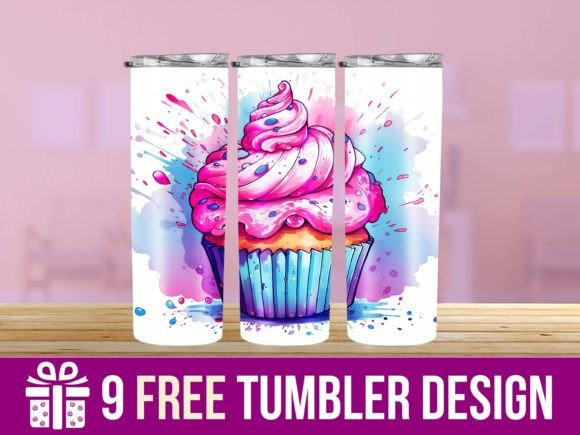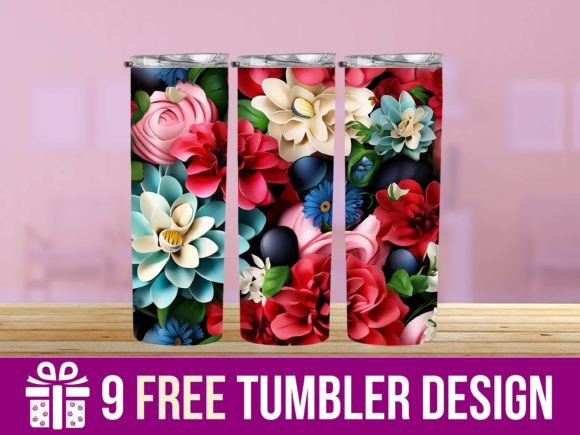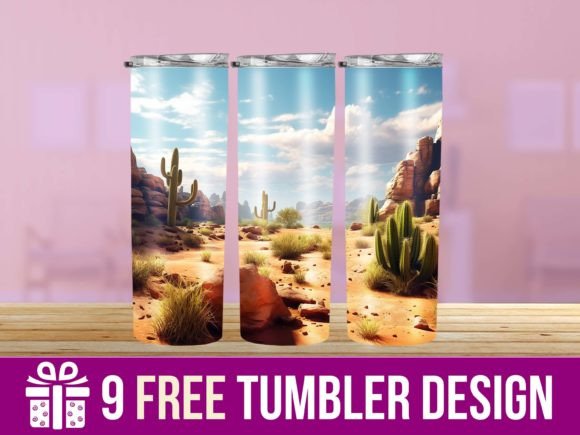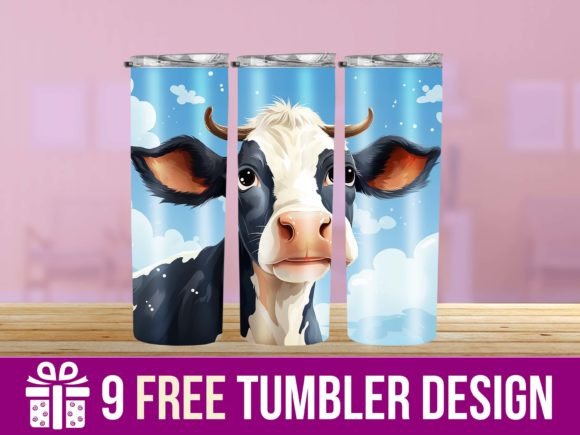
3D Cute Elephant Tumbler Wrap Designs: Graphics & Crafts
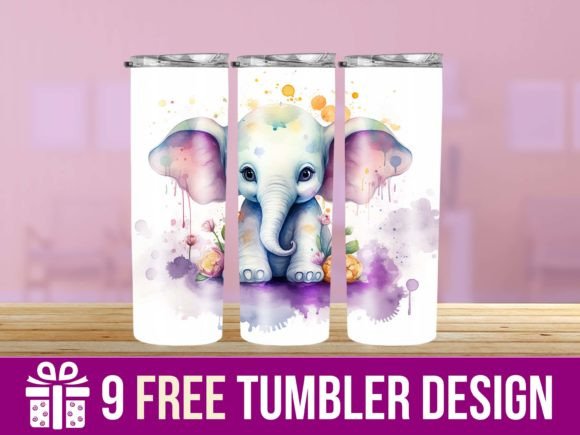
When I first opened the digital download folder for the 3D Cute Elephant Tumbler Wrap Designs, I expected a straightforward craft asset. What I got was a surprisingly versatile graphic design asset that immediately sparked ideas for blog graphics, editorial layouts, and website presentation. The whimsical 3D elephant illustration, with its soft textures and gentle expression, lands somewhere between playful and polished — a rare balance that can elevate reader perception the moment it appears on a page.
As someone who designs blog content, builds digital guides, and constantly tests new visual hierarchies for affiliate sites, I’m always scanning creative marketplaces for assets that don’t just look good in isolation but actually perform inside a real publishing workflow. This 3D cute elephant tumbler wrap, originally created as a full wrap for a 20oz skinny straight tumbler, carries a modernity that translates far beyond the crafts niche. The PNG file, with its transparent background and clean edges, works as a blog hero image, a Pinterest pin, a newsletter header, or even a downloadable printable design with almost no extra editing.
First Impressions and the Editorial Mood It Creates
The design’s rounded, dimensional feel immediately softens any layout it’s dropped into. The elephant’s large, friendly eyes and subtle shading give it a storybook quality that feels both modern and timeless. In a blog context, that kind of visual mood invites readers to stay longer. It signals warmth, approachability, and a touch of whimsy — ideal for content niches that revolve around family, early education, DIY crafts, parenting, children’s activities, or even lifestyle branding. The 3D effect, while strong, doesn’t feel gimmicky; it reads as a polished illustration that could sit comfortably on a high-end parenting blog or a small business branding page.
From a brand identity perspective, the asset sits in a sweet spot. It’s decorative enough to grab attention, but not so loud that it overwhelms headlines or body text. This makes it a strong candidate for blog graphics where editors need to maintain a consistent visual identity while still creating eye-catching category images or featured post thumbnails.
From Tumbler Wrap to Clickable Blog Hero Image
I often test design assets by dropping them into a mock blog layout — a hero image slot, a Pinterest canvas, a newsletter banner — and observing how quickly they draw the eye. The 3D cute elephant design performed exceptionally well in these tests. Because the PNG is isolated on a transparent background, it layers beautifully over soft pastel backdrops, full-width hero sections, and even editorial grids. For a content creator building a lead magnet printable or a digital guide cover, the elephant can serve as a central thematic element, instantly signaling the topic without a single word.
In a real publishing workflow, I’d use this asset for:
- Blog featured images for seasonal craft roundups, kids’ activity posts, or gift guide articles
- Pinterest pins that need a strong, recognizable visual to stop the scroll
- Newsletter headers during back-to-school campaigns, Mother’s Day, or baby shower content
- Website category banners for a lifestyle blog’s kids’ corner or DIY section
- Social media graphics for Instagram stories or Facebook posts that need a friendly, clickable element
- Printable worksheet covers, coloring page headers, or digital download thank-you cards
- Canva template thumbnails when selling editable designs on a creative marketplace
What’s interesting is how naturally the asset adapts to multiple content angles. The same 3D elephant that anchors a playful craft tutorial can also add a gentle, emotional layer to a blog post about early childhood development — all without looking out of place. That flexibility is rare in a single graphic download.
How the 3D Elephant Design Lifts Visual Hierarchy
Visual hierarchy is everything on a content-heavy website. When I replace a generic stock photo with this 3D elephant design as a blog hero image, the page immediately feels more intentional. The asset’s soft dimensionality creates a natural focal point, guiding the reader’s eye toward the headline and then down into the content. On a Pinterest pin, the same design element works as a powerful click-through trigger because it’s distinct enough to stand out in a crowded feed, yet friendly enough to build trust.
For affiliate marketers, this kind of trust-building visual is critical. A product review page that leads with a warm, custom illustration rather than a generic manufacturer photo can feel more authentic and reader-centered. The elephant design, when used thoughtfully, can make a sponsored post or a money page feel like a carefully curated resource rather than a hard sell. That shift in reader perception directly impacts dwell time and conversion rates.
Real-World Deployment: Where the Asset Shines Brightest
After testing the 3D cute elephant PNG across multiple publishing scenarios, I’ve found it performs best in these specific placements:
- Hero images and article headers — where its scale and transparent background allow for bold typography overlay
- Pinterest pins — especially vertical pins with a clean background, where the elephant sits as the central visual anchor
- Blog category thumbnails — to create a consistent, recognizable visual system for topic sections
- Content upgrades and lead magnets — as the cover art for free printables, checklists, or mini-guides
- Newsletter graphics — to add a personal, charming touch to email headers without slowing down load times
- Social media previews — for link shares on Facebook or Twitter, where the thumbnail needs to be instantly legible and warm
The consistent element across all these uses is the 20oz skinny straight tumbler wrap origin of the design. While the asset was crafted for a very specific physical product, the resulting PNG full wrap design translates into a scalable, web-ready graphic that publishers can use in countless ways. The straight tumbler wrap proportions, when cropped or composed creatively, actually lend themselves to tall format graphics like Pinterest pins and Instagram story backgrounds — a happy accident that makes the asset even more useful.
Where to Use the 3D Cute Elephant Graphic with Care
No design asset is universally perfect. I’ve identified a few scenarios where this particular 3D elephant graphic might need a second thought:
- Small mobile thumbnails — the fine details of the 3D rendering can lose clarity when scaled down to very small icon sizes
- Text-heavy blog images — if you’re overlaying long paragraphs or dense data, the elephant’s playful nature may clash with the serious tone of the information
- Low-contrast backgrounds — the soft shading of the elephant can blend into pastel backdrops if not tested carefully; always check edge visibility
- Corporate or extremely minimal websites — if your brand voice is stark, clinical, or heavily corporate, this whimsical character may feel out of place
- Busy editorial layouts — when the page already has multiple competing visuals, adding another illustrated element can overwhelm the reader
In most publishing contexts, these limitations are easy to solve. A quick preview on a mobile screen, a check against different background colors, and a thoughtful pairing with the right font usually resolve any mismatches. I always recommend testing the design inside a real blog layout before publishing — the difference between a standalone file and a live page can be significant.
Publisher Notes for a Polished, Professional Result
Over the years, I’ve learned that the gap between a good graphic and a great published page often comes down to the small technical details. Here’s my checklist for anyone planning to use the 3D Cute Elephant Tumbler Wrap Designs in a live content project:
- Preview on desktop and mobile screens. The elephant’s expression should be readable at smaller sizes, and the transparent edges should not show any pixelation.
- Check the thumbnail view. On blog index pages, the design will often appear as a 200×200 or 300×300 pixel square. Make sure the elephant remains recognizable and not just a blur of color.
- Test with headline text. Place a bold sans serif title over the elephant, then try a script font or a handwritten style. The asset should support the text, not compete with it.
- Review contrast and readability. If you’re using the elephant as a background element, lower the opacity or add a subtle overlay to ensure the text remains sharp.
- Try it in black and white. Even if you’re publishing in color, this quick test reveals the strength of the illustration’s silhouette and ensures it will work in grayscale newsletters or print-outs.
- Pair with different font families. I recommend testing the elephant beside a clean serif for a classic editorial feel, a modern sans serif for a lifestyle blog, and a gentle handwritten font for a more personal, crafty vibe.
- Compress the PNG properly. Web performance is part of editorial quality. A 300 KB image loads faster than a 2 MB one, and it directly impacts SEO and user experience. Use tools like TinyPNG or Squoosh before uploading.
- Confirm commercial licensing. Before using the design on a monetized website, affiliate page, or inside a paid digital product, verify that the digital download includes a commercial license that covers your intended use.
Integrating the 3D Elephant into a Consistent Brand System
One of the most practical ways I’ve used similar design assets is to create a visual vocabulary — a set of recurring graphics that readers come to associate with a specific content series or brand. The 3D cute elephant can become a familiar mascot-like element across a blog’s kids’ crafts section, a newsletter’s monthly roundup, or a set of Pinterest pins for a seasonal campaign. When used consistently, it builds brand recognition without the need for a full custom illustration budget.
For online educators and digital product creators, this asset can also serve as a base for editable templates. Imagine a Canva template where the elephant is layered into a worksheet header, a certificate, or a digital guide cover — suddenly, a single PNG download becomes a reusable design component across multiple content pieces. This kind of creative repurposing is exactly what makes a graphic design asset from a crafts niche so valuable for professional publishers.
Why This Matters for Content Marketing and Affiliate Success
In the content marketing space, visuals are often the first touchpoint a reader has with your brand. A well-chosen illustration like the 3D cute elephant can increase click-through rates on social media, lower bounce rates on blog posts, and strengthen the overall brand identity. For affiliate marketers, it’s a subtle but powerful tool: the more trusted and polished your site looks, the more likely readers are to click on recommended products and complete purchases.
The 3D Cute Elephant Tumbler Wrap Designs deliver on that promise. The download includes a crisp PNG full wrap design, originally sized for a 20oz skinny straight tumbler, but effortlessly adaptable to digital publishing. The 3D rendering brings a modern, tactile quality that stands out in a sea of flat vector graphics, while the soft color palette keeps it gentle enough for sensitive niches like parenting, early education, and small business branding.
I’ve used hundreds of design assets over the years, and the ones that stick are those that can cross niches, adapt to multiple formats, and maintain a consistent, professional look on a live website. This elephant graphic does all three. Whether you’re building a blog from scratch, refreshing an editorial calendar, or creating a new lead magnet, it’s a smart, affordable addition to your visual toolkit.
Remember to test, compress, and always align the graphic with your publishing goals. When you get those details right, a single digital download can quietly transform how readers experience your content — and that’s the kind of editorial design thinking that separates a good blog from a great one.